
June 29, 2026
How Skilled Nursing Facilities Address Senior Mental Health
Many seniors who live in a skilled nursing facility silently struggle with mental health concerns. Of the one million Americans living in nursing homes, more than 30% have a psychiatric diagnosis. It can be overwhelming to make the switch to a new way of life and get accustomed to unfamiliar surroundings. Add chronic condition management onto that, and it’s a small wonder senior mental health issues are so prevalent.
But there’s hope with the right approach and a caring staff. Learn how skilled nurses and support staff can make a difference in your loved one’s well-being.
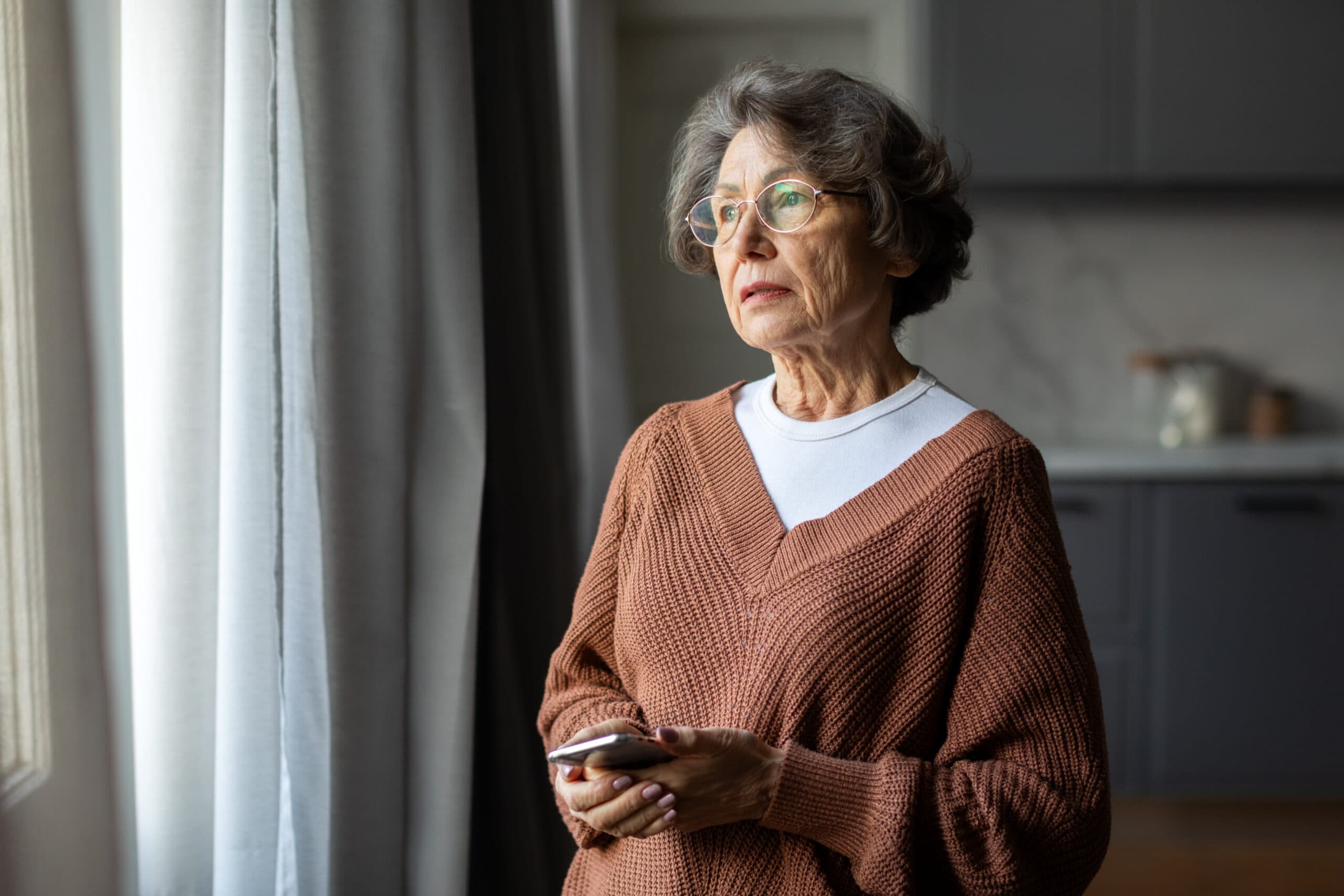
Common Mental Health Conditions Among Seniors in Skilled Nursing
Before you can understand how skilled nursing staff improves mental health outcomes, it’s important to learn about the common psychological issues that seniors can face.
They include:
Depression: The real or perceived loss of independence and moving to a new living situation can make your loved one feel detached or sad. Be mindful of symptoms like withdrawal from activity, change in appetite and low energy.
Anxiety: Fear of the unknown or a sense of losing control can result in anxious feelings. Your loved one may exhibit restlessness, shortness of breath or edginess.
Loneliness/isolation: Even if your senior interacts with other residents and staff daily, they can still get lonely. That could be caused by a lack of family visits or communication barriers that affect their ability to socialize.
Grief: It’s common for seniors in skilled nursing to go through a period of mourning due to changing living circumstances, a loss of a spouse or a change in physical abilities. They may exhibit emotional numbness and a lack of motivation.
Substance use: Using alcohol or prescription or over-the-counter medications may have developed before your loved one moved to skilled nursing. That transition could exacerbate it, so watch for frequent requests for more medication and signs of withdrawal.
Cognitive decline: Changes in cognitive abilities can compound other mental health symptoms, resulting in personality changes, loss of memory and an inability to complete daily tasks.
The Effects of Mental Health on Senior Wellness
Physical health and mental wellness are closely linked. Depression, cognitive decline and other emotional struggles can make it hard to complete self-care, chores and other activities of daily living. As your loved one ages, their body can become more susceptible to stress, resulting in more pronounced physical struggles.
That could include:
- A loss of appetite
- A lack of movement
- Decreased immunity
- Poor wound healing
- Limited physical activity
Over time, those issues can compound and create a vicious cycle that negatively impacts your senior’s quality of life.
Your loved one’s mental health can also impact you. Watching them decline can be heartbreaking and leave you with a feeling of helplessness or guilt. That’s why it’s essential to advocate for your loved one’s mental health needs and create a care plan with their team.
Mental Health Services in Skilled Nursing
Mental health assessments: A mental health expert will conduct an initial assessment of your loved one to determine a baseline for their cognitive function and psychological well-being. They review mental health history, discuss symptoms, review medication and complete behavioral observations. Your loved one may receive several assessments over time to monitor changes in their emotional health.
Cognitive behavioral therapy: Depending on the facility, your loved one may meet with an on-site or third-party psychologist who can provide cognitive behavioral therapy. That type of treatment involves identifying problematic thoughts and behaviors and developing positive coping skills.
Support groups: Discussing concerns with their peers in group sessions can ease your loved one’s feelings of isolation. Talking with others who have similar life experiences and emotions can help your loved one feel seen and supported.
Holistic care: Incorporating mental wellness practices into your loved one’s overall care strategy allows the skilled nursing staff to take a more comprehensive approach. So, not only are your loved one’s medical needs addressed, but the emotional factors that influence them are mitigated, too.
Activity programs: A robust activity schedule gives your senior opportunities for social engagement, reducing their risk of isolation and loneliness. Building connections with other residents can improve their sense of identity within the group of their peers.
Spiritual care: Supporting your loved one’s spiritual needs can help them cope with grief and anxiety brought on by life changes. Skilled nursing can coordinate religious and non-denominational services if your loved one requests it.
How You Can Support Your Loved One
- Check in with your loved one’s care team often to monitor their emotional well-being.
- Schedule times to call your loved one regularly.
- Take turns with other family and friends to visit your loved one in person.
- Encourage them to participate in group activities or attend a program with them.
- Try mindfulness practices together, such as guided meditation and breathing techniques.
- Incorporate their hobbies into their routine to promote a sense of normalcy.
- Consider pet therapy for companionship.
- Add personal items to their room to make them feel at home.
Excellence in Skilled Nursing at Embassy Healthcare
Supporting a resident’s health goes beyond administering medications and taking vitals. The Embassy skilled nursing team also serves as confidants and friends, offering a hand to hold and a shoulder to lean on. Learn about our skilled nursing services and how we incorporate them into a holistic approach to senior mental wellness.