August 16, 2019
Improving Seniors’ Lives With Occupational Therapy
There are a number of reasons that completing everyday tasks gets more difficult as we age.

Occupational therapy can help seniors enjoy a better quality of life by addressing the physical, mental and psychological hurdles that can accompany the aging process. This can be especially true after surgery, stroke, fractures, heart attacks, arthritis, respiratory difficulty, and dementia.
Many of Embassy Healthcare’s communities throughout Ohio offer occupational therapy tailored to each person’s needs. Embassy’s experienced therapists strive to help individuals perform tasks such as feeding and dressing, basic home skills such as cooking and cleaning – all with the goal of helping them live more independently and safely.
Here are just several of the ways occupational therapy can improve seniors’ lives:
- Fall prevention: Falls are the top cause of injury in the elderly, often resulting in broken bones. Therapists can help seniors identify ways to stay active while increasing their odds of staying upright. This may include suggesting modifications at home such as grab bars or a tub bench.
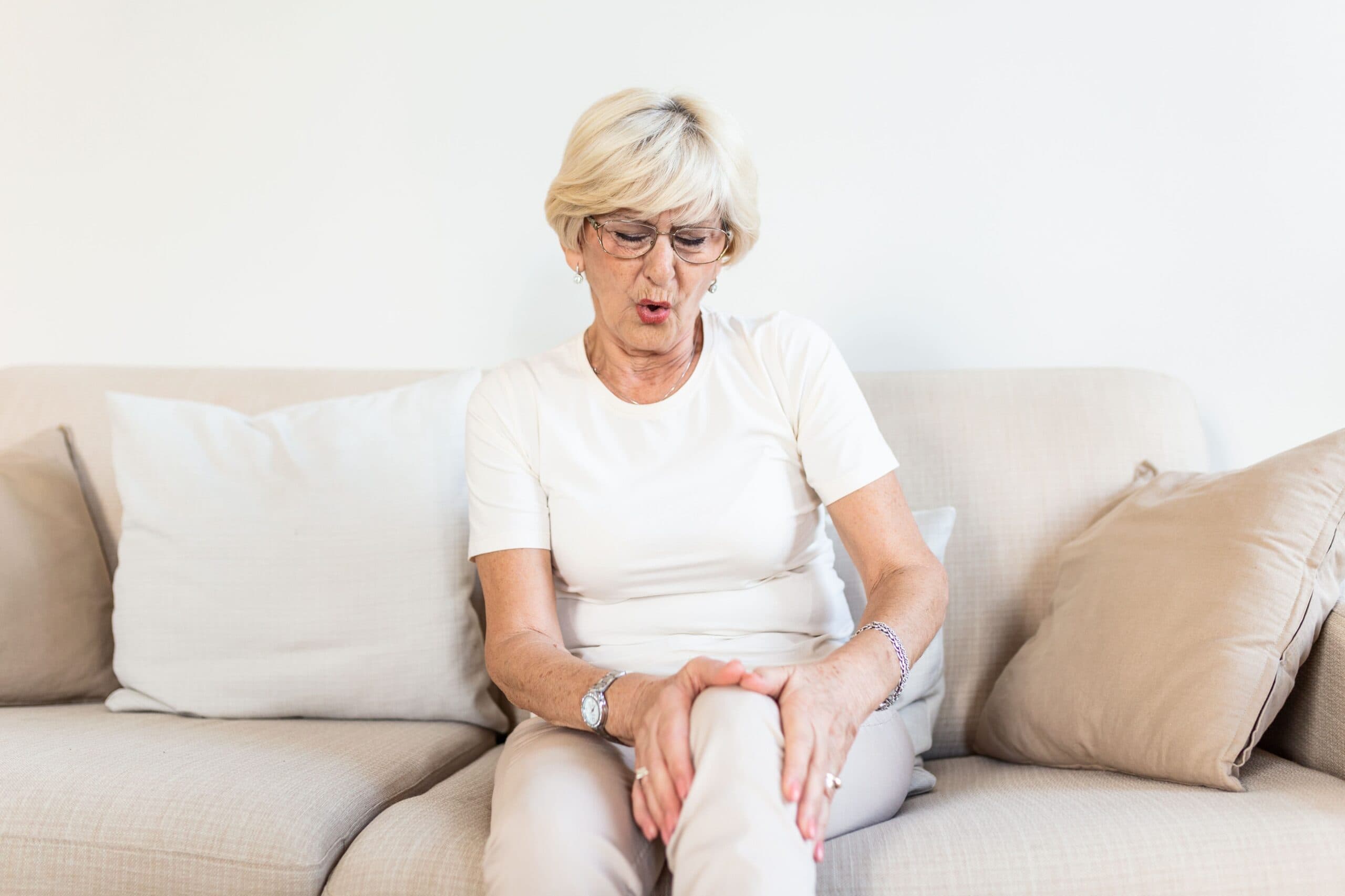
- Ward off arthritis: The inflamed joints of arthritis can make tasks such as buttoning a shirt or tying shoes more difficult. Therapists can help seniors learn ways to use their hands more effectively and use more comfortable resting positions for better results.
- Increase range of motion: Range of motion (ROM) exercises do precisely that – increase ROM with less pain and stiffness. Through these activities, seniors can move more effectively, even in the face of worn-out ligaments and stiff joints.
- Suggestions for caregivers: After assessing a senior, a therapist can make helpful suggestions to family members or caregivers to improve their daily care. This assistance can improve life for both the elderly person and their caregiver.
- Improve cognitive function: In the case of dementia or forgetfulness, therapists can help seniors sharpen their cognitive skills. Helpful brain exercises include doing crossword puzzles or reading books.
- Managing chronic pain: Pain can affect life in numerous ways, affecting mood, feelings of loss of independence and not being able to handle daily tasks. Therapists may address chronic pain through the following activities which can be conducted anywhere:
- Improved body mechanics/ergonomics
- Activities to improve pacing
- Reduction of muscle tension
For more information about Embassy Healthcare’s occupational therapy services, call 888-975-1379 or contact us online.auses fear, and there’s plenty of uncertainty to go around. Fear of the unknown may create stress as a result of COVID-19. And depression and anxiety can affect people, particularly the elderly when there is less socialization.
Signs of mental health struggles may include:
- Fear, worry, or anxiety about your health or the health of your loved ones
- Difficulty concentrating or participating in daily tasks
- Changes in sleep or appetite
- Worsening of chronic health conditions
- Use of substances like alcohol, tobacco, or drugs
Social Disconnection
Loneliness is a powerful emotion and can have catastrophic effects on a person’s mental and physical health. This is a particular problem for seniors living in an assisted living facility since they cannot see visitors during the pandemic.
FaceTime, video conferences, and phone calls are essential to maintain contact with family and friends who cannot come for a visit. Social interaction eases the burdens of seniors’ minds when they get to catch up with their loved ones.
Supporting Mental Health In Isolation
Take breaks from watching the news: Turn off the TV and unwind from the flow of information. Giving your mind a break from stressing about the pandemic will allow you to focus on other things.
Take care of physical health: Eat well-balanced meals, exercise, and get a good night’s sleep. Your physical and emotional health are closely linked, so poor physical health can affect your mind too.
Voice your concerns: Keep your loved ones in the loop about your state of mind. Talking about your anxieties may help ease the stress you feel about the pandemic.
Have a plan: Find out how and where you can receive treatment if you do get sick and practice health safety. Having a strategy, even if you don’t need one, will prevent you from stressing about the unknown.
Contact Embassy Healthcare or call 888-975-1379 to learn more about our assisted living facilities and health services.
Rehabilitation & Therapy Articles

December 31, 2025

October 27, 2025