
July 31, 2026
Sun Safety for Seniors: A Guide to Protecting Aging Skin
There’s nothing like soaking in the warmth of the sun. It’s an excellent way to get a boost of Vitamin D and enjoy nature. It can also be risky for your skin without the proper precautions.
Whether you’re taking a walk, gardening or going to the beach, remember these sun safety tips to protect yourself all year long.
Why Sun Safety Matters for Seniors
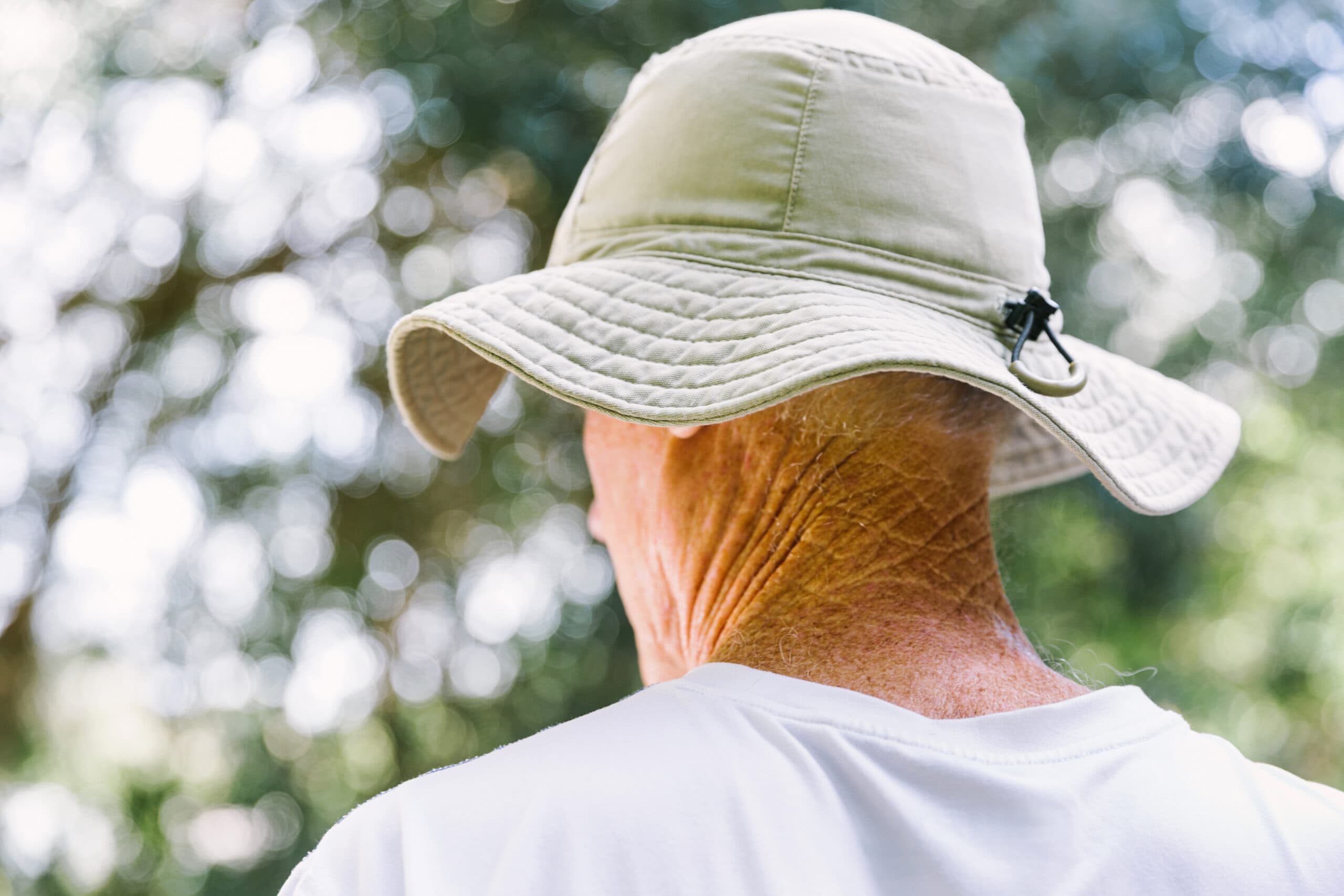
As you age, your skin loses elasticity, making you more susceptible to sunburn and skin damage after a day catching rays. You may also not be as sensitive to heat due to decreased circulation, which can result in burns worse than you realize. Those effects are cumulative, meaning the more exposure you experience over your lifetime, the greater your risk of developing wrinkles, age spots and even melanoma. Burns can also become infected if you have compromised immunity, so it’s best to err on the side of caution whenever you’re outside.
Factors That Affect Sun Sensitivity in Seniors
Photosensitivity: Your skin produces less melanin as you get older. That pigment helps absorb UV rays, so you may notice an increased sensitivity to sunlight.
Medication use: Diuretics and anti-inflammatories contribute to photosensitivity that causes blisters and rashes. You may be at an increased risk if you take several of those medications at once.
UV index: That measurement indicates the intensity of the sun’s UV radiation at a given time. The higher the value, the greater the likelihood of your skin sustaining damage, even after minor exposure.
Dehydration: You need water to keep your skin supple and protect yourself from heat-related illnesses. A lack of hydration makes it harder for your skin to resist sun damage and regulate your body temperature.
Skin type: All skin types lose elasticity eventually, but lighter tones are more susceptible to photosensitivity and an increased risk of skin cancer.
Medical conditions: Precancerous lesions, autoimmune conditions and circulatory issues can increase your risk of sunburn and tissue damage.
The Risks of Sun Exposure
Heat stroke: Staying out in the sun for too long can raise your core temperature. If it exceeds 104° F, your body may not be able to adjust effectively, resulting in heat stroke. That can lead to confusion, loss of consciousness and even organ failure.
Heat exhaustion: While less severe than heat stroke, heat exhaustion is still extremely dangerous. You may experience dizziness, nausea, weakened pulse and heavy sweating if you’re sitting in the sun without protection and water.
Skin damage and cancer: UV rays are divided into two categories: UVA and UVB. UVA rays penetrate deeper into your skin, causing premature aging. UVB rays damage the outermost layer of your skin, which can lead to different kinds of skin cancer.
Eye damage: Long-term exposure to UV rays is also dangerous for your eyes, as they’re less effective at filtering light with age. That can result in the development of cataracts and macular degeneration.
Sun Safety Tips for Seniors
Choose the Right Sunscreen
Broad-spectrum sunscreen with a minimum SPF 30 rating is the most effective at blocking UVA and UVB rays. Look for mineral-based formulas if you have sensitive skin, as they’re milder and less likely to react to photosensitizing medications.
Remember: Sunscreen breaks down over time, especially if you’re sweating. Reapply every two hours if you’re out in the sun for extended periods.
Wear Protective Clothing
Tightly woven fabrics prevent the sunlight from penetrating your skin. Long-sleeved shirts, pants and wide-brimmed hats are sun safety essentials and will cover areas you can’t reach with sunscreen. Don’t forget to throw on a pair of UV-blocking sunglasses to protect your eyes as well.
Check the UV Index
Knowing what you’re walking into before you go outside can help you prepare for a day in the sun. Here’s a breakdown of the UV index scale:
- 1 to 2: Low
- 3 to 5: Moderate
- 6 to 7: High
- 8 to 10: Very high
- 11 or higher: Extreme
Avoid Peak Sun Hours
The sun is the most intense from 10 a.m. to 4 p.m. If you wish to avoid increased exposure, schedule your activities and errands outside of those hours or seek shade as often as possible.
Get a Skin Check
Annual skin exams can help your doctor spot signs of skin issues when they’re more treatable. That’s essential as you get older and face an increased risk of damage and melanoma. Pay attention to moles that are asymmetrical, have multiple colors, measure larger than six millimeters or change over time, as those are signs of skin cancer.
Promoting Senior Wellness at Embassy Healthcare
Part of a well-rounded senior living experience is being able to get outside and enjoy the sunshine. Embassy Healthcare incorporates outdoor excursions into our activity schedules while maintaining sun safety practices. That includes taking breaks, finding shady areas and keeping residents hydrated. Contact us to learn more about our senior assisted living communities.