
February 27, 2026
The Role of Nutrition in Senior Heart Health: What to Eat and Avoid
Heart disease is the leading cause of death for men and women of most racial and ethnic groups, according to the Centers for Disease Control and Prevention. Your risk of cardiovascular health is directly influenced by your lifestyle choices, including what you eat. Making even minor improvements in your diet can reduce your likelihood of developing heart disease and other cardiovascular conditions.
Let this article serve as your dietary guide to help you protect your heart health year-round.
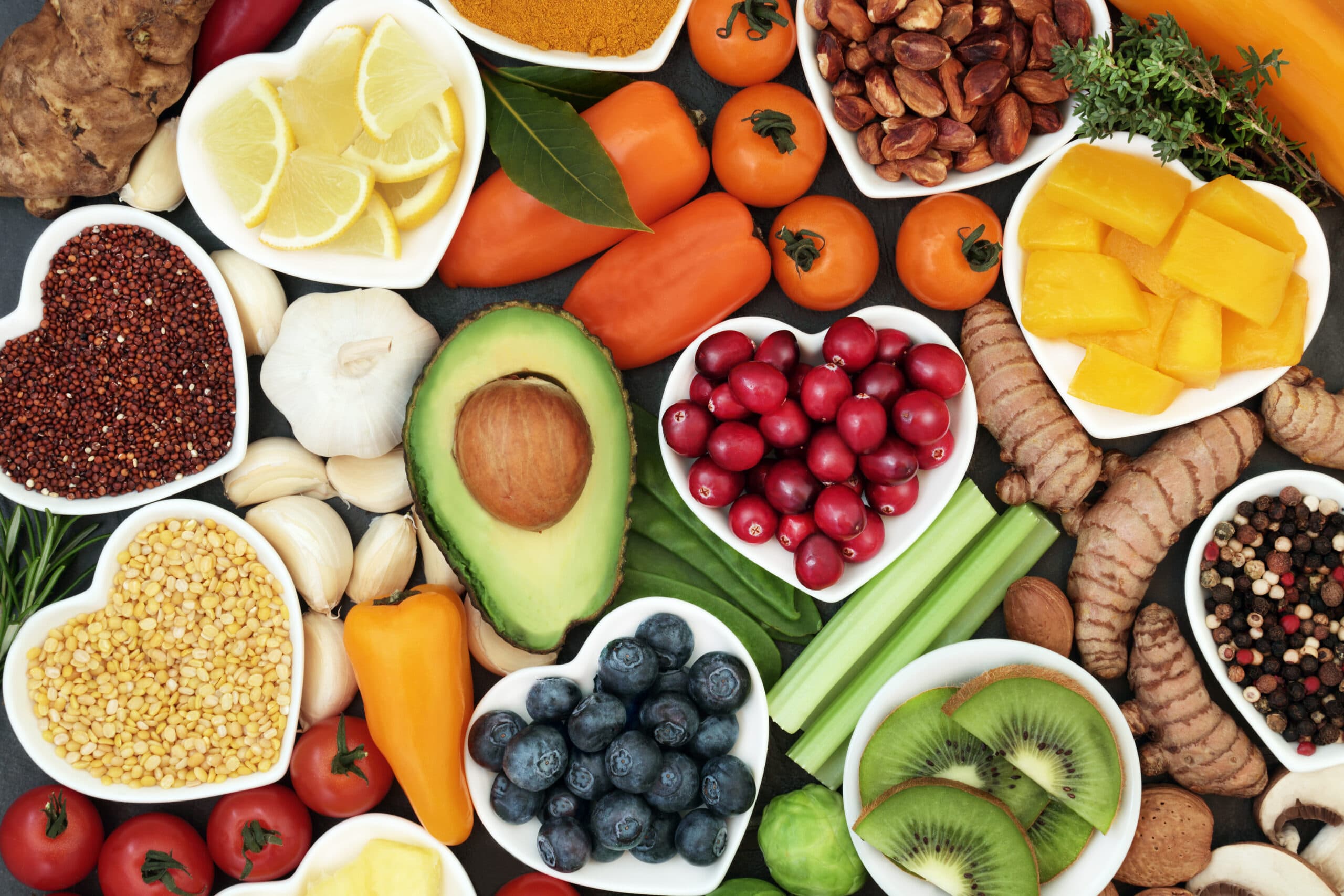
How Nutrition Affects Heart Health in Seniors
The natural aging process affects the elasticity of your blood vessels, which can lead to arterial stiffness and increased blood pressure. Add an unhealthy diet high in sodium, sugar and trans fat, and you could face increased cholesterol, too. Those factors spell disaster for senior heart health and make it difficult to manage your overall wellness. Certain nutrients combat those issues and directly improve your heart health, including omega-3 fatty acids, soluble fiber, antioxidants, potassium and magnesium.
Best Foods to Support Heart Health
Fruits and Vegetables
Berries: Blueberries, blackberries and raspberries are packed with antioxidants that counteract oxidative stress on your blood vessels. Strawberries contain pectin, a soluble fiber that lowers bad cholesterol.
Leafy greens: Add spinach, arugula and mustard greens to a salad to open your blood vessels. Swiss chard is another option that has lots of folate, which lowers your risk for heart disease.
Cruciferous vegetables: This group of vegetables includes broccoli, cauliflower, kale and Brussels sprouts. They’re high in fiber and anti-inflammatory properties that are good for your arteries.
Citrus fruits: Vitamin C helps your body recover from illness and injury. Whether you eat them whole or add slices to beverages, grapefruit, oranges, lemons and limes can give your heart a healthy boost.
Grains and Fiber-Rich Foods
Oats: The fiber in oats reduces bad cholesterol and stabilizes your blood sugar. You can incorporate it into baked goods or eat it in oatmeal.
Brown rice: The fiber and calcium in brown rice reduce arterial pressure. It also contains potassium, which helps your kidneys flush excess sodium.
Quinoa: This grain has a dense nutrient profile and is an excellent source of fiber, protein and antioxidants. You can add it to grain bowls and salads to help your body reduce oxidative stress and inflammation.
Whole grains: Eating whole grains supports healthy digestion and lowers bad cholesterol, which protects your blood vessels and arteries. Swap refined grains for wheat bread, bagels, pasta and rice.
Lean Proteins and Healthy Fats
Fatty fish: Salmon, mackerel and albacore tuna are full of omega-3 fatty acids that help keep your arteries clear.
Poultry: Chicken and turkey breast provide healthy amounts of lean fat and protein that support blood flow.
Legumes: Eating lentils, chickpeas and beans gives your body a boost of fiber and protein. Adding them to your plate on a regular basis can reduce bad cholesterol and leave you feeling fuller while consuming fewer calories.
Nuts and seeds: Add walnuts, almonds, flaxseeds and chia seeds to your salads and snacks to lower inflammation related to heart disease.
Plant-based oils: Using olive and nut oils instead of butter and margarine reduces the amount of saturated fat in your diet, which can lower bad cholesterol.
Dairy and Calcium-Rich Foods
Low-fat dairy: Fat-free and low-fat milk, cheese and yogurt allow you to get calcium without worrying about offsetting your bad cholesterol.
Fortified plant alternatives: Soy, oat, flax and almond milk are sources of fiber and protein that are naturally low in calories.
Cottage cheese: With its low saturated fat content and high protein, cottage cheese is a healthy dairy product that supports cardiovascular wellness.
Foods to Avoid to Protect Your Heart
Any food or beverage that has lots of sodium, sugar, saturated fats and refined carbs can negatively affect senior heart health.
The following items are best avoided or consumed in moderation:
- Fatty red meats like beef and pork
- Processed meats like salami, bacon and sausage
- White bread, pasta and rice
- Sugary and sweetened beverages
- Fried foods
- Canned soups
- Potato chips
- Commercially made baked goods
Practical Tips for Implementing a Heart-Healthy Diet
- Prepare meals ahead of time, so you can make strategic heart-healthy choices.
- Use a small plate or bowl to control portion sizes.
- Fill half of your plate with fruits and vegetables, a quarter with protein and a quarter with whole grains.
- Drink plenty of water and unsweetened beverages to help your kidneys regulate the sodium in your body.
- Focus on nutrient-dense foods to help you feel fuller longer.
Cardiac Care at Embassy Healthcare
Incorporating a heart-healthy diet is only a single step in the journey toward cardiac wellness. Embassy Healthcare offers dedicated cardiac services that include nutrition, exercise and clinical support to help you achieve your wellness goals. Contact us to learn more about our locations and services.