
June 30, 2026
What to Expect from Skilled Nursing Wound Care
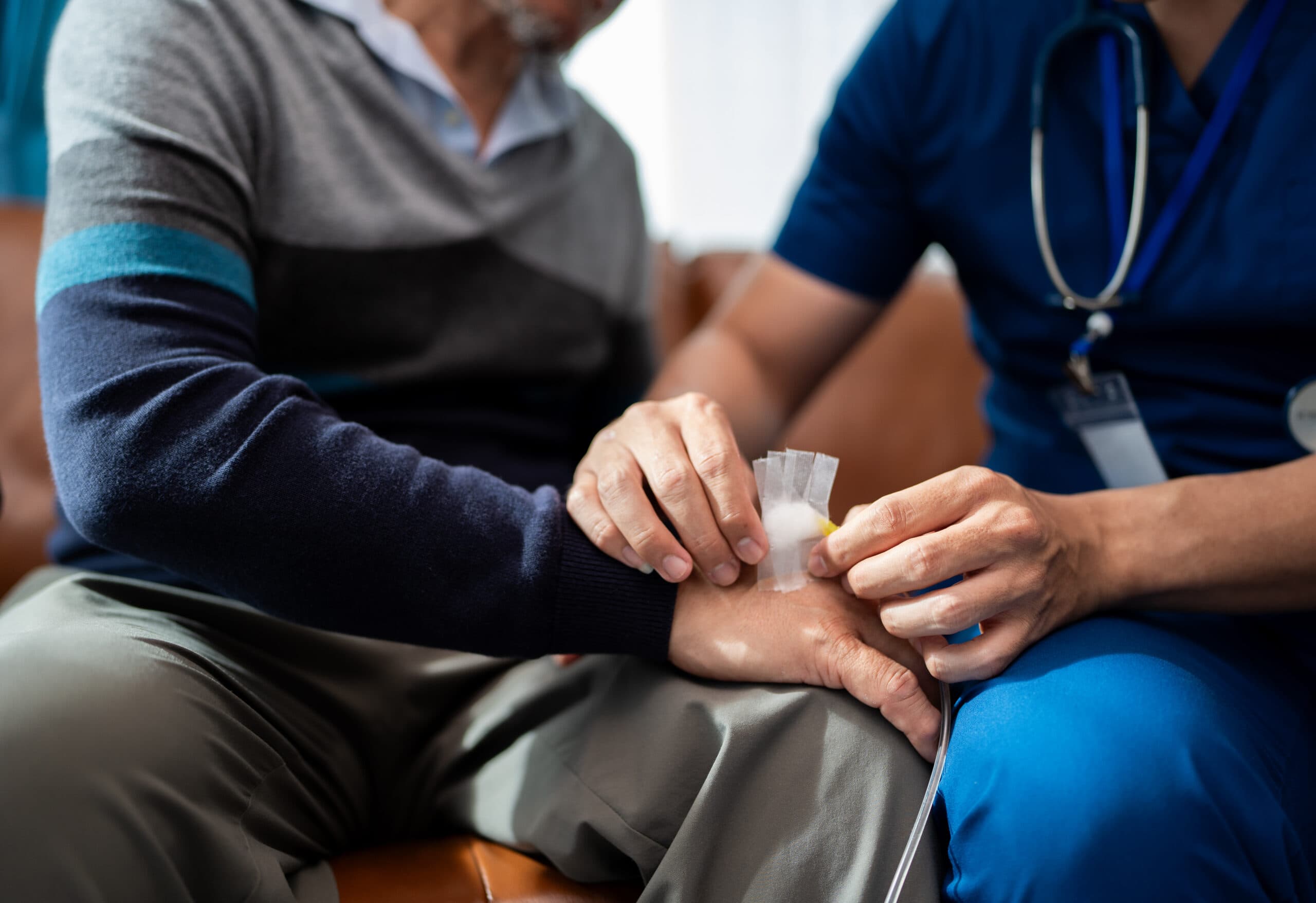
Navigating wound care for your loved one following an injury or surgery can feel intimidating. If they need hands-on care to help them heal, wound care from a skilled nursing facility can lower their risk of infection and make the recovery process less stressful.
Professional care supports healing and gives your loved one peace of mind. It also gives you the time to prepare to continue their recovery.
Who Needs Wound Care?
Wound care covers everything from cleaning and debridement to infection prevention and nutrition support.
The following conditions and events require wound care:
Recent surgery or hospitalization: Incisions and trauma wounds can increase your loved one’s risk of infection.
Diabetes: Poor circulation, weakened immunity and nerve damage brought on by diabetes can result in slower healing, especially in ulcers and pressure injuries.
Vascular or circulatory conditions: Because blood flow promotes healing, any condition that prevents it from delivering the oxygen and nutrients your body needs can inhibit recovery.
Fragile skin: Reduced elasticity can make it difficult for your loved one’s body to withstand stress and injury, resulting in an increased risk of new wounds.
Why Senior Wounds Require Specialized Care
As your senior ages, their skin loses moisture and flexibility, making it more likely to dry out and crack. Reduced circulation also impedes their body’s ability to regenerate new cells. That makes wounds more likely, even from minor abrasions. Your loved one may be at further risk for wound development if they have a chronic condition or take medication, like anticoagulants or immunosuppressants, that affect their ability to heal. That’s why it’s important to seek assistance from a qualified skilled nursing team that can identify and address issues promptly.
Common Types of Wounds in Seniors
Pressure injuries: As skin thins, it loses layers of subcutaneous fat. Lying or sitting in one position can place pressure on those areas, cutting off blood flow and damaging tissue. Excess moisture buildup from lack of movement can also exacerbate bedsores.
Skin tears: The loss of collagen that accompanies aging makes skin more fragile in seniors. Even bumping against furniture or repositioning in bed can cause bruising and tearing.
Diabetic ulcers: If your loved one has type 2 diabetes, they may face a loss of sensation in their feet. So, they may not realize they have a cut or blister until it’s developed into an ulcer exacerbated by a lack of circulation.
Venous and arterial ulcers: High blood pressure and cardiovascular issues can break down the tissues in your senior’s veins and arteries. Plaque buildup can also narrow arteries and lead to ulcers.
Surgical wounds: Immune response decreases with age, so your loved one may face a longer recovery for surgical incisions.
Signs a Wound Isn’t Healing Properly
If your senior has a wound, it’s important to know the signs of infection to ensure they receive prompt clinical intervention and avoid long-term health implications.
Watch for the following:
-
- Redness and swelling around the wound
- Worsening pain
- Dark or yellow discharge
- A foul odor
- Redness streaking from the wound
- Fever or chills
Wound Care in Skilled Nursing
A dedicated wound care program can mean days of recovery instead of weeks. Skilled nurses who specialize in wound care receive specific training to promote efficient healing through thorough assessments, interventions and dressing management.
Here’s what to expect:
- A nurse or physician will review your loved one’s symptoms and assess the underlying cause of their wound.
- They’ll identify potential risk factors like comorbidities and medications that could affect the healing process.
- A physical assessment of the wound is completed to determine the extent of tissue damage, identify signs of infection, manage moisture and spot issues around the wound’s edge.
- Your loved one will be asked to rate their pain. Their team may also take a culture sample or biopsy to check their white blood cell count and the presence of bacteria.
- Their team will establish a care plan that includes scheduling dressing changes, medication management, nutritional support and debriding if necessary.
- The wound care nurses will conduct regular assessments to monitor for signs of progress or regression.
Importance of Family Involvement
Learning how to keep your loved one’s wound clean and manage their comfort is essential for the continuation of care once they leave a skilled nursing facility. Their nursing staff will provide you with tips on changing dressings, packing the wound and maintaining a sterile environment. Work closely with your senior’s care team so you can advocate for their needs if issues arise. Don’t hesitate to speak up if you notice your loved one is uncomfortable or their recovery isn’t progressing. Early intervention can reduce their risk of long-term complications.
Dedicated Wound Care at Embassy Healthcare
Wound care is just a piece of the healthcare puzzle. Embassy Healthcare incorporates dietary services and medication management to aid the healing process. In addition to cleaning and dressing, we also offer advanced wound treatment, including negative pressure wound therapy and topical oxygen therapy. Contact us to learn more about our program.