
July 30, 2026
Why Early Detection of Pulmonary Hypertension is Essential
Almost 200,000 people are diagnosed with pulmonary hypertension (PH) every year. It’s a deceptive condition that can be hard to identify due to the symptom crossover with other respiratory and cardiovascular illnesses. That’s why it’s imperative to learn about causes, symptoms and treatment options, so you can seek medical care as soon as you have concerns.
What is Pulmonary Hypertension?
It’s a condition characterized by hypertension, or high blood pressure, in the arteries in your lungs and right side of your heart. Over time, those artery walls stiffen and narrow. Your heart must work harder to move blood through your lungs; that overexertion can lead to decreased muscle strength and, eventually, failure. This type of hypertension is defined by the pressure in your pulmonary arteries, so it isn’t measured through a cuff on your arm.
It’s broken into five groups:
Group 1: Caused by issues within your pulmonary arteries
Group 2: Caused by problems on the left side of your heart
Group 3: Caused by lung disease
Group 4: Caused by blood clots and artery obstructions
Group 5: Caused by unclear or multiple causes
How It Affects Your Heart and Lungs
Your heart has four chambers: the right atrium, the right ventricle, the left atrium and the left ventricle. Your right ventricle pushes deoxygenated blood into your lungs to receive oxygen before it goes out to the rest of your body. PH narrows the pathway to your lungs, so your right ventricle has to push harder under greater pressure. That thickens its walls and wears the ventricle down until it can no longer pump hard enough to sustain blood flow.
That process usually develops slowly, so you may feel normal for a while even though your heart’s working overtime.
PH is often found in people with:
- Connective tissue diseases
- Existing heart problems
- Chronic respiratory illnesses
- Congenital heart defects
- A family history of heart troubles
- A history of cocaine or methamphetamine use
- Long-term exposure to high altitudes
Symptoms of Pulmonary Hypertension
Early signs of PH:
- Shortness of breath with physical activity
- Persistent tiredness
- Swelling in your legs, ankles and abdomen
- Dizziness or fainting
- Bluish or gray skin
- Elevated pulse or pounding heart rate
- Chest pain
Symptoms of PH progression:
- Declining exercise tolerance
- Shortness of breath at rest
- Distended neck veins
- Loss of appetite
- Cold hands or feet
- Increased need for rest between activities
Why It’s Frequently Misdiagnosed
Because PH shares symptoms with more common conditions, it can be misdiagnosed as asthma, anxiety, poor cardiovascular fitness, COPD, anemia and congestive heart failure. It’s less common than those conditions, so it’s typically ruled out last during clinical evaluation. And because symptoms can progress slowly, you may not notice them for several years before they begin to affect your daily life.
Early detection is critical as it eases the strain on your right ventricle. That reduces the amount of permanent damage sustained and allows you to manage your symptoms more effectively. Treatment options tend to be more effective when PH is diagnosed in earlier stages, which also helps slow its progression.
How Is Pulmonary Hypertension Diagnosed?
Step 1: Diagnosis begins with a visit to your primary care physician. It’s not unusual for your doctor to notice symptoms during a routine exam. They’ll review your medical history and take down your symptoms and how long they’ve persisted.
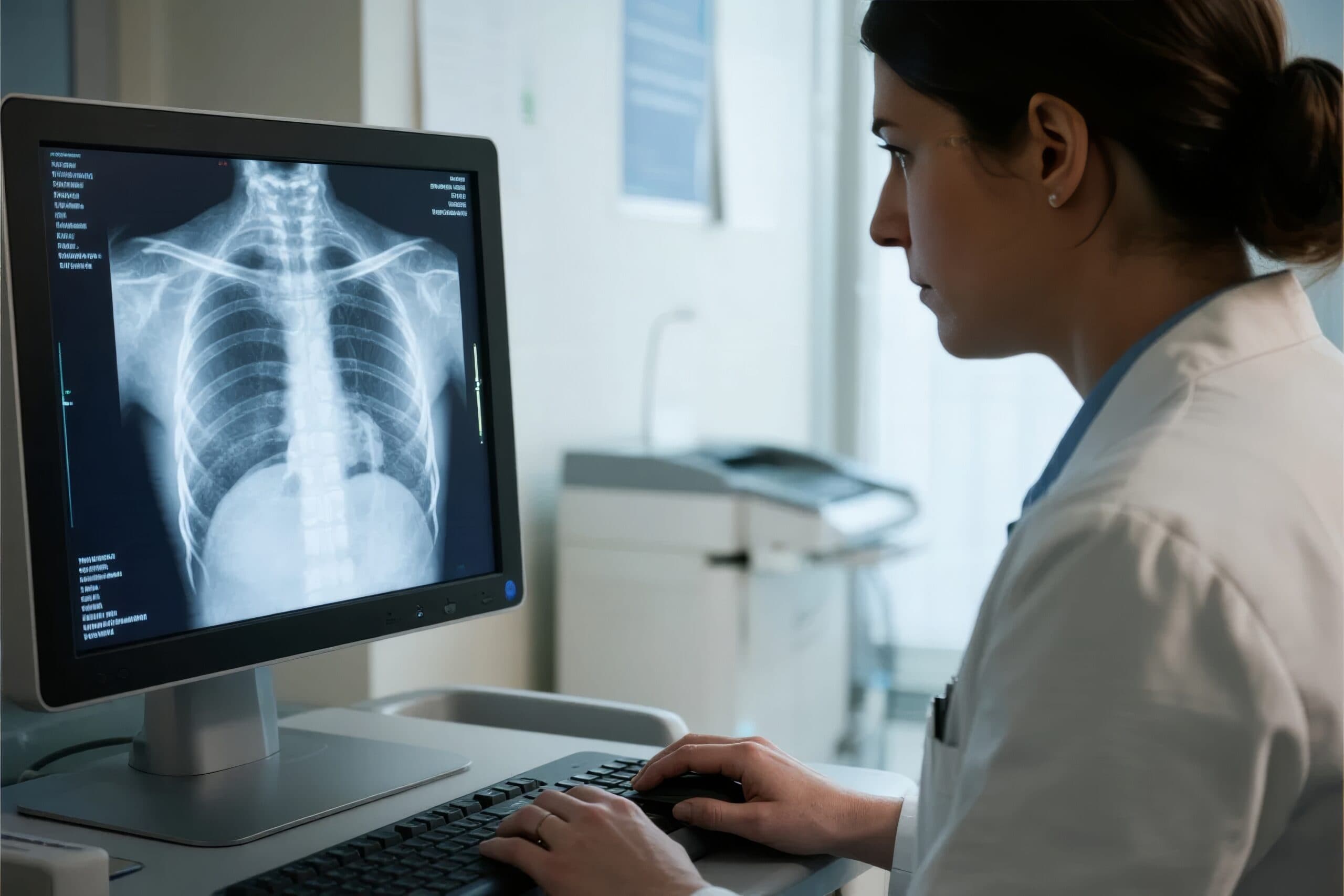
Step 2: Your doctor will order tests and evaluations that may include a chest X-ray, EKG and blood work to assess the impact of your condition.
Step 3: If you present abnormal results, you’ll undergo a CT scan or an MRI to give specialists a closer look at your heart and assess your right ventricle function.
Step 4: A right heart catheterization is the final definitive step in determining if you have PH. A thin catheter is inserted in a vein in your neck or groin and guided to your pulmonary artery to measure pressure and function. The procedure involves local anesthesia and can last up to 60 minutes.
Step 5: After diagnosis, you’ll meet with a cardiologist or pulmonologist to identify the underlying cause and outline a treatment plan. That may include medication to relax your blood vessels, increase blood flow and help your heart beat more strongly. You may also require oxygen therapy.
Don’t Wait to Address Pulmonary Hypertension
As a proud partner of the American Lung Association, Embassy Healthcare offers a dedicated pulmonary program for assisted living and skilled nursing residents that includes oxygen and respiratory therapy, tracheostomy care and ventilator management. Contact us for service information.