
December 30, 2025
A Senior’s Guide to Winter Safety
The coldest season of the year brings festivity and gatherings. It can also present safety hazards for seniors. Physical changes might make it difficult for you to notice the impact of cold weather. That’s why it’s important to evaluate your risks and take precautions to stay comfortable and protected.
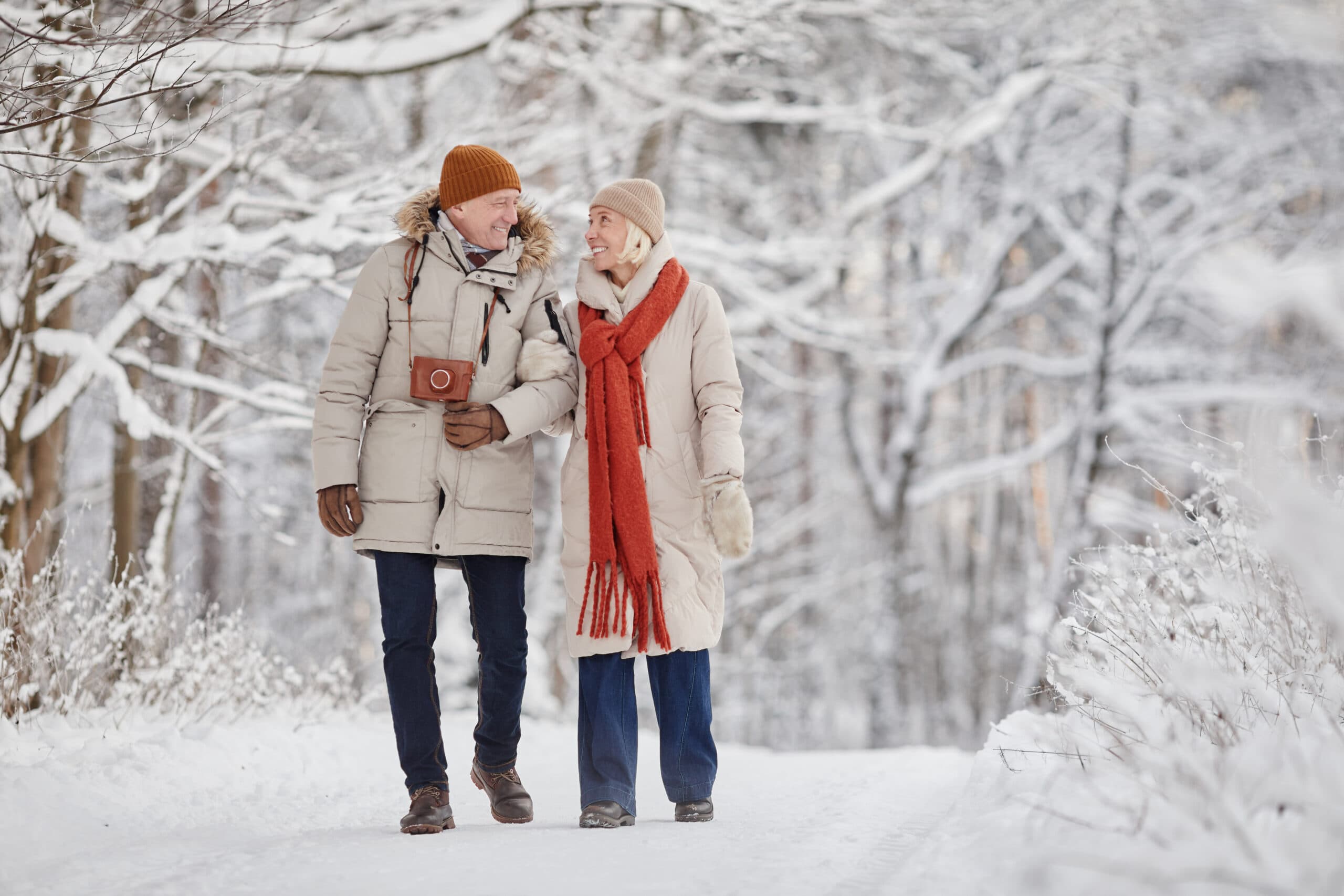
Common Winter Hazards for Seniors
Falls: Snow and ice make for treacherous terrain. Cold temperatures also affect your circulation and joint mobility, making it difficult to maintain your balance. Combine those factors, and you may find yourself slipping on icy surfaces.
Hypothermia: This condition occurs when your core temperature drops below 95⁰ Fahrenheit. Signs of hypothermia in seniors include shivering, cold, discolored skin, slurred speech, confusion, weak pulse, shallow breathing and drowsiness.
Frostbite: Your skin can sustain permanent damage when exposed to extreme cold. Poor circulation increases the likelihood of frostbite, especially on your fingers, toes, nose and ears. Symptoms include tingling sensations, pain, numbness, a waxy appearance to the skin and blistering. Skin may change from red to blue or black as frostbite progresses.
Seasonal illness: Your immunity decreases with age, making you more susceptible to the flu, colds and pneumonia. Shorter days and less physical and social activity can also increase your risk for seasonal affective disorder.
Isolation: Mobility and transportation issues can make it difficult to leave your house to socialize. You may also prefer to stay indoors more during the winter. Those factors could leave you feeling isolated and lonely.
Home Safety Tips for Cold Weather
Concentrate heat: Close air vents and doors in empty rooms to focus warm air into occupied areas. That makes it easier for your heating system to maintain a consistent temperature.
Use space heaters safely: Electric heaters and blankets provide an added touch of warmth, but be mindful of how long you use them. Stay at least three feet away from movable heaters and turn off all electric items when not in use.
Winterize your home: Seal windows with weatherstripping and place draft stoppers at the base of exterior doors to prevent cold air leaks. Install brighter bulbs or motion sensor lights to accommodate shorter daylight hours. Check your smoke and carbon monoxide detectors to ensure they’re functional.
How to Stay Healthy During Winter
Consider the following tips for promoting physical wellness:
- Wear several loose layers of clothing to maintain your body temperature.
- Put on a hat and gloves when outdoors to reduce heat loss.
- Incorporate indoor exercise like yoga to stay active.
- Drink water throughout the day to prevent dehydration.
- Add Vitamin D to your diet to support calcium absorption and bone health.
Maintaining your emotional wellness is just as important as protecting your physical health during winter. Keep these mental health tips in mind:
- Stay in touch with your loved ones via phone calls, video chats and in-person visits.
- Join community programs or volunteer to stay socially engaged.
- Practice mindfulness techniques like breathing exercises and meditation to relieve stress.
- Find creative outlets or hobbies to stimulate your mind.
Fall Prevention Strategies
Be careful outside: It’s crucial to keep your outdoor walkways clear during winter. Use lightweight equipment if you’re comfortable shoveling, and lay rock salt to prevent ice from forming. You can also ask for assistance from a loved one or neighbor if you don’t feel safe completing the task.
Wear the right shoes: Rubber-soled, non-slip shoes are essential when walking on wet or icy surfaces. They provide more traction, which can reduce the chance of falling.
Keep your floors dry: Tracking in water from snow and ice poses a hazard, especially on hard surfaces. Clean up wet tracks and spilled liquids as soon as possible to avoid slipping.
Create a Winter Emergency Plan
Being prepared for cold-weather emergencies can mean the difference between a minor inconvenience and a dangerous situation. That’s why it’s important to establish a support network and have plans in place in the event of power outages, storms and injury. Establish a communication strategy to determine who you’ll contact and how you’ll reach them if you need assistance with errands or have a medical emergency.
Creating a winter safety kit allows you to keep essential items handy. Here are some essentials to include:
- Blankets
- Bottled water
- First aid kit
- Flashlight
- Batteries
- Personal hygiene items
- Non-perishable food
- A battery-powered phone charger
- A list of your medication
Promoting Senior Wellness and Safety at Embassy Healthcare
Senior safety is a year-round effort at Embassy Healthcare. Whether you need physical assistance or healthcare coordination, our expert clinical team is at your disposal to promote your comfort and wellness. Contact us to learn about our services and schedule a tour.